Korean Convenience Store Guide: Hacks for Travelers
If you think convenience stores in Korea are just places to grab a bottle of water or a bag of chips, think again.
For travelers, South Korean convenience stores (often referred to as “CVS”) are essentially 24-hour lifestyle hubs. They are safer, cleaner, and far more advanced than their counterparts in the West. Whether you need to charge your transit card, withdraw cash, or print a document, these stores are often the quickest solution.
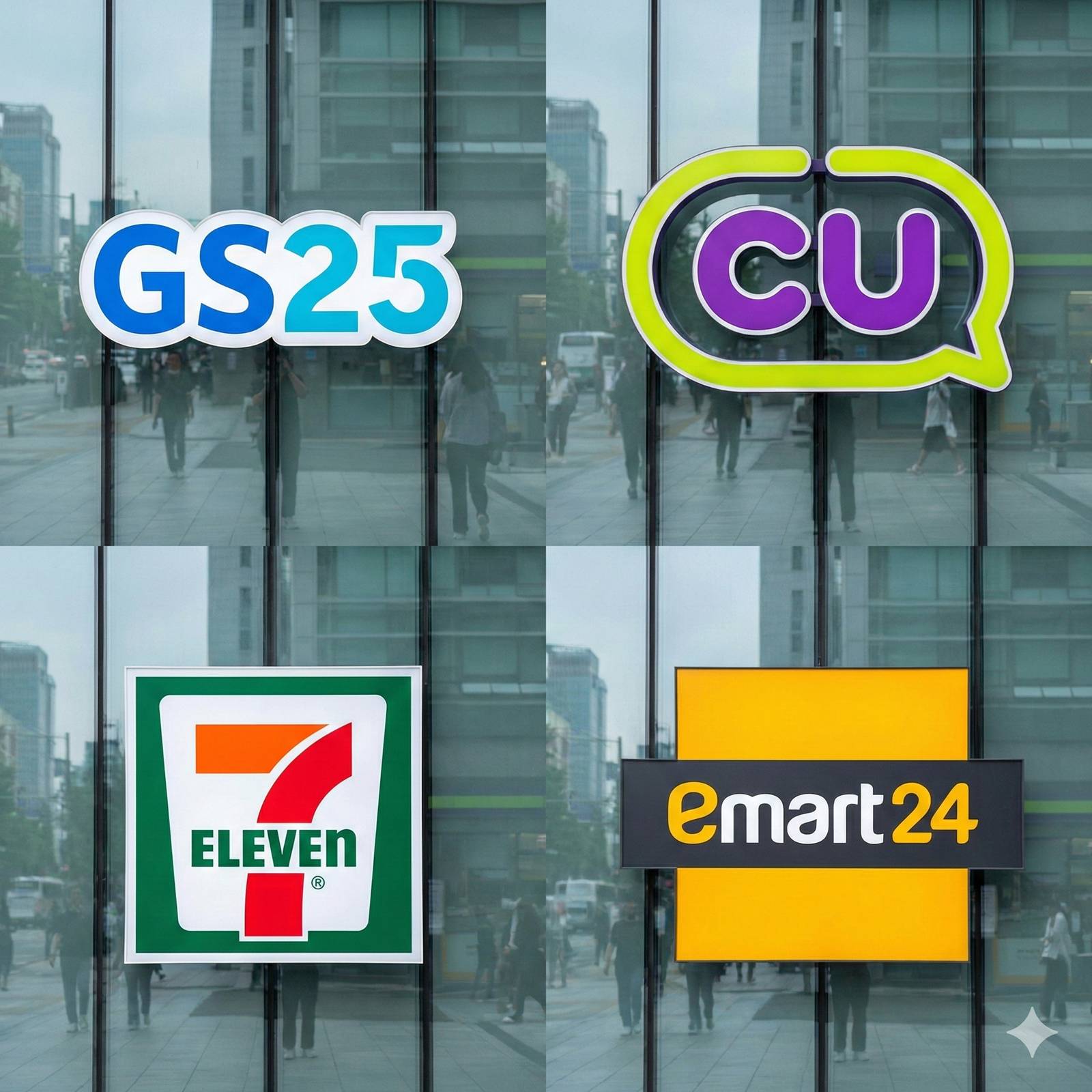
This guide explores the essential services provided by the “Big Three”—GS25, CU, and 7-Eleven—that will make your trip significantly smoother.
The Hub of Korean Smart Life: GS25, CU, and 7-Eleven
In Seoul, you are rarely more than a 5-minute walk from a convenience store. They are ubiquitous, brightly lit, and safe havens operating 24 hours a day. Although traditionally open 24 hours, many stores nowadays close between 1 a.m. and 6 a.m., so late-night travelers should check the hours before visiting.
Unlike in some countries where convenience stores can feel sketchy at night, Korean CVS locations are vital community centers. They are staffed around the clock and serve as safe points for emergency assistance.
The “Big Three” you will see everywhere:
- GS25
- CU
- 7-Eleven (and increasingly, Emart24)
While the branding differs, the core services listed below are generally available across all major chains.
Essential Tasks You Can Solve Here
Beyond buying food, these stores offer services that solve the most common logistical headaches for travelers.
1. T-money Card Management
As mentioned in our previous transport guide, the T-money card is essential for subways and taxis.
- Buying: You can purchase a T-money card at any CVS counter.
- Charging: This is the most critical function. You can reload your card at the register.
- Refunds: If you have a small balance (usually under 20,000 KRW) left at the end of your trip, you can request a refund directly at the store (a small service fee applies).
⚠️ Crucial Note: You must use cash (KRW) to recharge your T-money card. Credit cards are generally not accepted for transit card top-ups.
2. Global ATMs
Most major convenience stores feature “Global ATMs” that accept foreign cards (Visa, MasterCard, UnionPay, etc.). If you are running low on cash for street food or T-money charging, look for the “Global” logo on the ATM screen inside the store.
3. Power Bank Rentals
Running out of battery is a traveler’s nightmare. Many Korean convenience stores now host power bank rental stations (services like ‘Chingutaek’ or ‘Happy Box’). You can rent a battery pack via an app, charge your phone while walking, and return it to a different convenience store location.
4. Emergency Medicine
If you have a mild headache or indigestion late at night, you don’t need a hospital. Korean CVS locations sell basic over-the-counter medicines.
- Available: Tylenol, digestive aids, patches for muscle pain.
- Note: As discussed in our medication guide, stronger drugs (especially those containing specific narcotics like Dextromethorphan found in some US cold meds) are heavily regulated. Stick to the basic Korean brands available on the shelf like Tylenol or Panpyrin for simple ailments.
Important: Buying Restricted Items (Alcohol & Tobacco)
Korea has a vibrant drinking culture, and convenience stores sell a massive variety of beer, soju, and wine. However, the purchase laws are strictly enforced.
The “No ID, No Sale” Rule
Even if you look well over 20, clerks are required to check ID.
- Accepted ID: A physical Passport or a Korean Alien Registration Card (ARC).
- Not Accepted: Photos of your passport, foreign driver’s licenses (often rejected), or student IDs.
Traveler Tip: Always carry your physical passport if you plan to buy alcohol or tobacco.
Smoking Etiquette
If you purchase cigarettes, do not smoke immediately outside the store unless there is a designated smoking booth. Seoul has strict regulations on street smoking, and you may be fined for smoking in non-designated areas.
The “Clean-After-Yourself” Culture
One of the best features of Korean convenience stores is the indoor (or outdoor) seating area where you can eat your meal. You will see students, office workers, and tourists enjoying ramyeon or bento boxes.
However, there is one “Golden Rule” you must follow: Clean up your own mess.
How to Dispose of Trash Correctly
Near the exit or the microwave station, you will find a trash station with specific bins:
| Bin Type | What Goes In |
| Liquids (음료/국물) | Pour leftover ramyeon broth or ice here first. |
| Plastics (플라스틱) | Rinsed drink cups, lids, and clean plastic containers. |
| General Waste (일반쓰레기) | Dirty tissues, wooden chopsticks, wrappers with food residue. |
| Cans/Glass | Soda cans and bottles. |
Leaving your table full of trash is considered very rude in Korea. A quick cleanup ensures the space remains pleasant for the next person.
Pro-Tip: Try these “Combo” Hacks
To experience the CVS like a local, try these popular combinations:
- The “Han River” Set:
- Instant Ramyeon + Kimchi + Hot Bar (Sausage on a stick).
- Many stores have automatic ramyeon cookers. Just follow the instructions on the machine!
- The Viral “Ice Cup” Drink:
- Buy a Pouch Drink (Coffee, Ade, or Highball) + a Cup of Ice from the freezer.
- Pour the pouch into the ice cup for an instant, cheap, and delicious café-style beverage.
Summary Table: CVS Services at a Glance
| Service | Availability | Payment Method | Note |
| T-money Charge | All Stores | Cash Only | |
| ATM | Most Stores | Foreign Cards OK | Look for “Global” sign |
| Medicine | All Stores (limited) | Card/Cash | Tylenol, Digestive aids only |
| Seating Area | Most Stores | Free | Must clean up after use |
| Alcohol/Tobacco | All Stores | Card/Cash | Physical ID required |
Korean convenience stores are more than just shops; they are essential partners in your travel journey. Use them wisely, respect the etiquette, and enjoy the convenience!