Japanese Medicine and Korea Customs: What Japan–Korea Travelers Need to Know
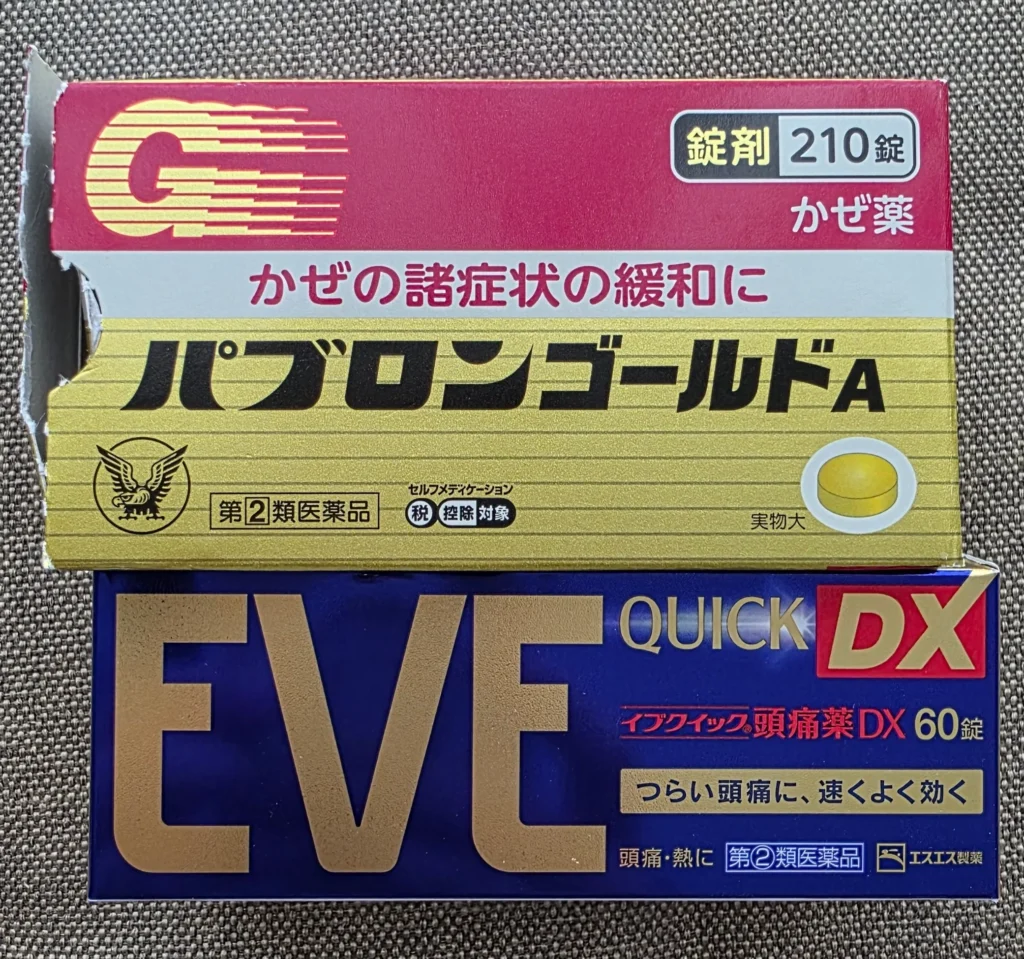
If you’re doing a Japan–Korea trip, you probably already know the drill at Japanese drugstores and Don Quijote. You stock up. It’s hard not to. The medicine aisles are impressive — everything is compact, well-labeled (at least visually), and priced reasonably. For years, I kept a small personal list of go-to items I’d pick up whenever I visited Japan: Pabron A for cold symptoms, EVE Quick or EVE DX for headaches, and Otaisan sachets for the occasional upset stomach.
Two of those three are now a problem if you’re entering South Korea.
This post is specifically for travelers doing a Japan-first itinerary before crossing into Korea — and it’s more relevant than ever, because enforcement at Korean customs has been increasing since the restrictions came into effect in April 2025.
It’s About Ingredients, Not Brand Names
This is the part that catches people off guard. The restriction isn’t a blanket ban on Japanese medicine. It’s based on specific ingredients, and the same ingredient can appear across multiple products and brands under different names.
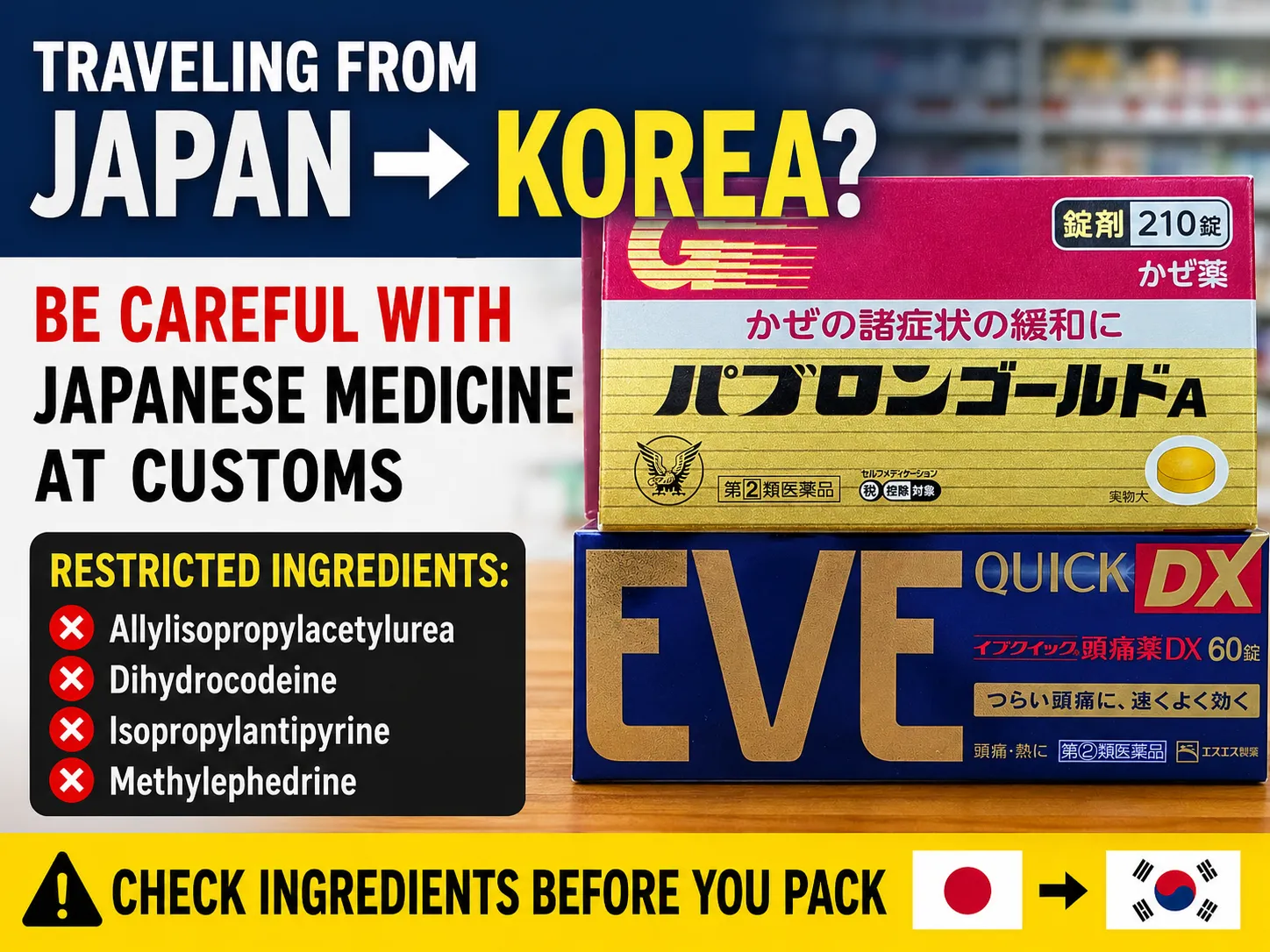
The key substances that can cause problems at Korean customs include:
- Allylisopropylacetylurea (알릴이소프로필아세틸우레아) — classified as a psychotropic substance under Korea’s Narcotics Control Act
- Dihydrocodeine — a codeine-related compound often found in cold and cough medicines
- Isopropylantipyrine — a pain reliever component used in some analgesic formulas
- Methylephedrine — found in some cold medicines
These are not obscure ingredients. They appear in products that are genuinely popular and widely sold in Japanese drugstores and tourist-friendly shops.
The EVE Painkiller Situation
EVE is one of the best-known painkiller brands in Japan, and it’s a common tourist purchase — small tablets, works well, easy to find. But most EVE products contain allylisopropylacetylurea, which became fully banned for import into Korea as of April 2025.
Specifically, EVE A, EVE Quick, and EVE Quick DX all contain this ingredient. One real case that circulated on Korean social media described a traveler having EVE painkillers — purchased at Don Quijote — confiscated at Korean customs, being required to fill out a report, and ending up with a violation on record.
I’ve personally seen warning notices posted at Don Quijote in Japan regarding this restriction, so some stores are at least trying to flag it. But not every shelf has a warning, and not every traveler reads them in a hurry.
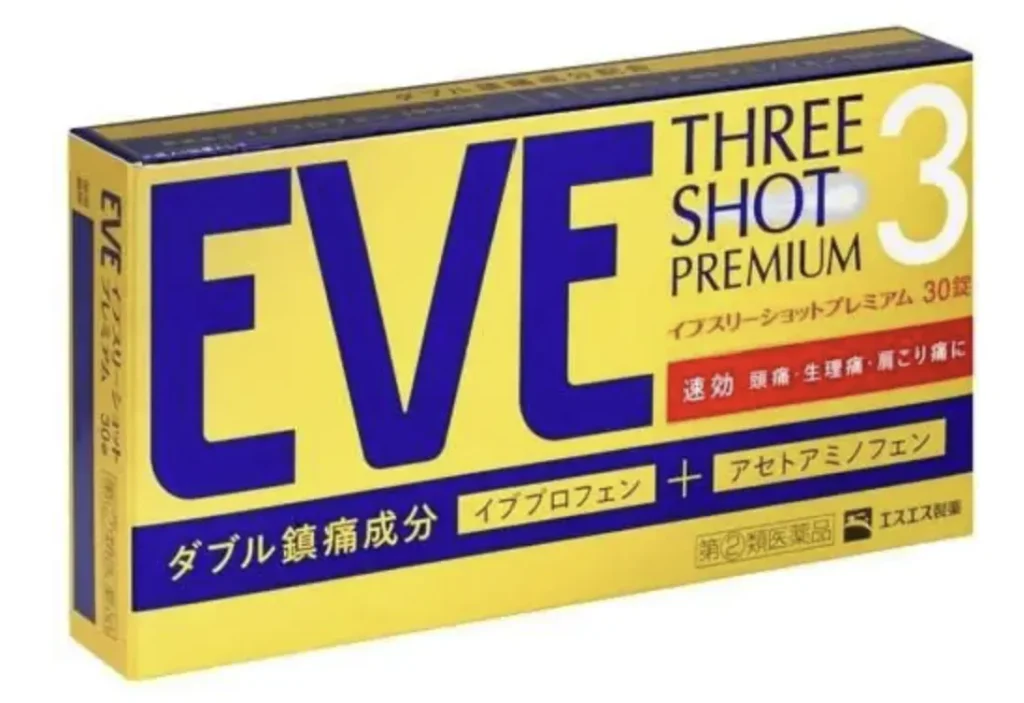
If you want an EVE product that doesn’t contain the restricted ingredient, EVE THREE SHOT Premium is the exception in the lineup — its formula uses only ibuprofen, acetaminophen, caffeine, and magnesium oxide. That said, it’s a relatively new product and not always the most visible option on shelves, so you’ll need to look specifically for it.
Pabron and Cold Medicines
Pabron A — my cold medicine of choice for years — contains dihydrocodeine among its ingredients. Also restricted for Korean import. The same applies to several other cold and multi-symptom medicines in the Japanese market. If a product addresses cough suppression alongside fever and congestion, there’s a good chance it contains one of the flagged compounds.
Again, the check isn’t on the product name. It’s on what’s inside. Flip the box, find the ingredient list, and look for the names above before you buy anything you intend to carry into Korea.
A Pattern Worth Knowing About
If you’re a U.S. traveler and this feels familiar, it might be because I wrote about a similar situation last year involving Vicks NyQuil and DayQuil. Those products contain dextromethorphan, which is classified as a controlled substance in Korea — meaning you can’t bring them in without prior MFDS approval either.
The common thread: medicines that are completely normal OTC products in one country can carry ingredients that are regulated or outright restricted in Korea. → Read: Can You Bring Vicks NyQuil to South Korea?
Japan-to-Korea travelers are now running into the same issue. Different country, different products, same principle.
One Thing I Still Bring: Otaisan
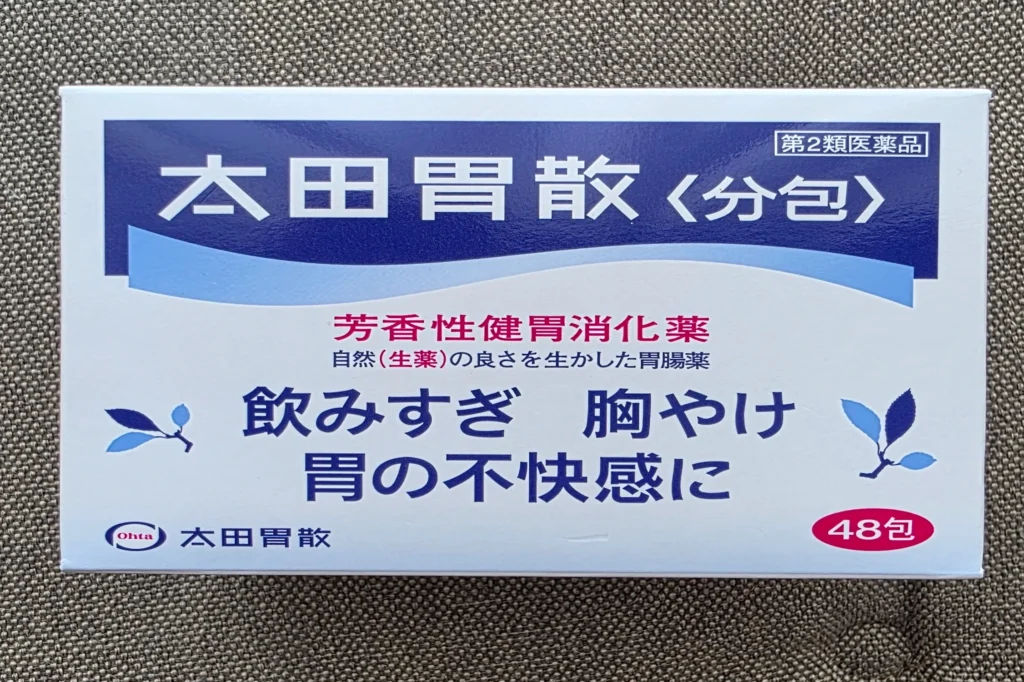
Not everything on my Japan pharmacy list turned out to be a problem. Otaisan (太田胃散) — the digestive powder that comes in individual sachets — is one I still pick up. It’s light, keeps well, and works reliably for the kind of mild indigestion that shows up after eating unfamiliar food in unfamiliar quantities. I’ve taken it after heavy meals in Japan and kept a few sachets on hand during travel days. It doesn’t contain any of the restricted ingredients mentioned above, so it falls within the standard personal-use allowance at Korean customs — as long as you’re bringing a reasonable amount for personal use, not a bulk supply.
The Practical Takeaway
Before you buy medicine in Japan and plan to carry it into Korea:
- Check the ingredient list, not just the product name
- Look specifically for allylisopropylacetylurea, dihydrocodeine, isopropylantipyrine, and methylephedrine
- If you’re unsure about a product, leave it in Japan or finish it before you cross
- Korean pharmacies are well-stocked and pharmacists are generally helpful — you can find alternatives once you arrive
The rules aren’t new, but they’ve been enforced more consistently since April 2025. It’s a small thing to check before you pack, and it’s a much easier fix before customs than after.