Japan Tax-Free Shopping System Changes: What Travelers Should Know
Japan’s Tax-Free Shopping System Is Changing in November. As a Frequent Visitor, Here’s What I Think.
If you have traveled to Japan before, chances are you’ve used the country’s tax-free shopping system.
For years, the process was simple. Show your passport at an eligible store, meet the minimum purchase requirement, and you could buy products without paying Japan’s consumption tax.
That convenience is about to change.
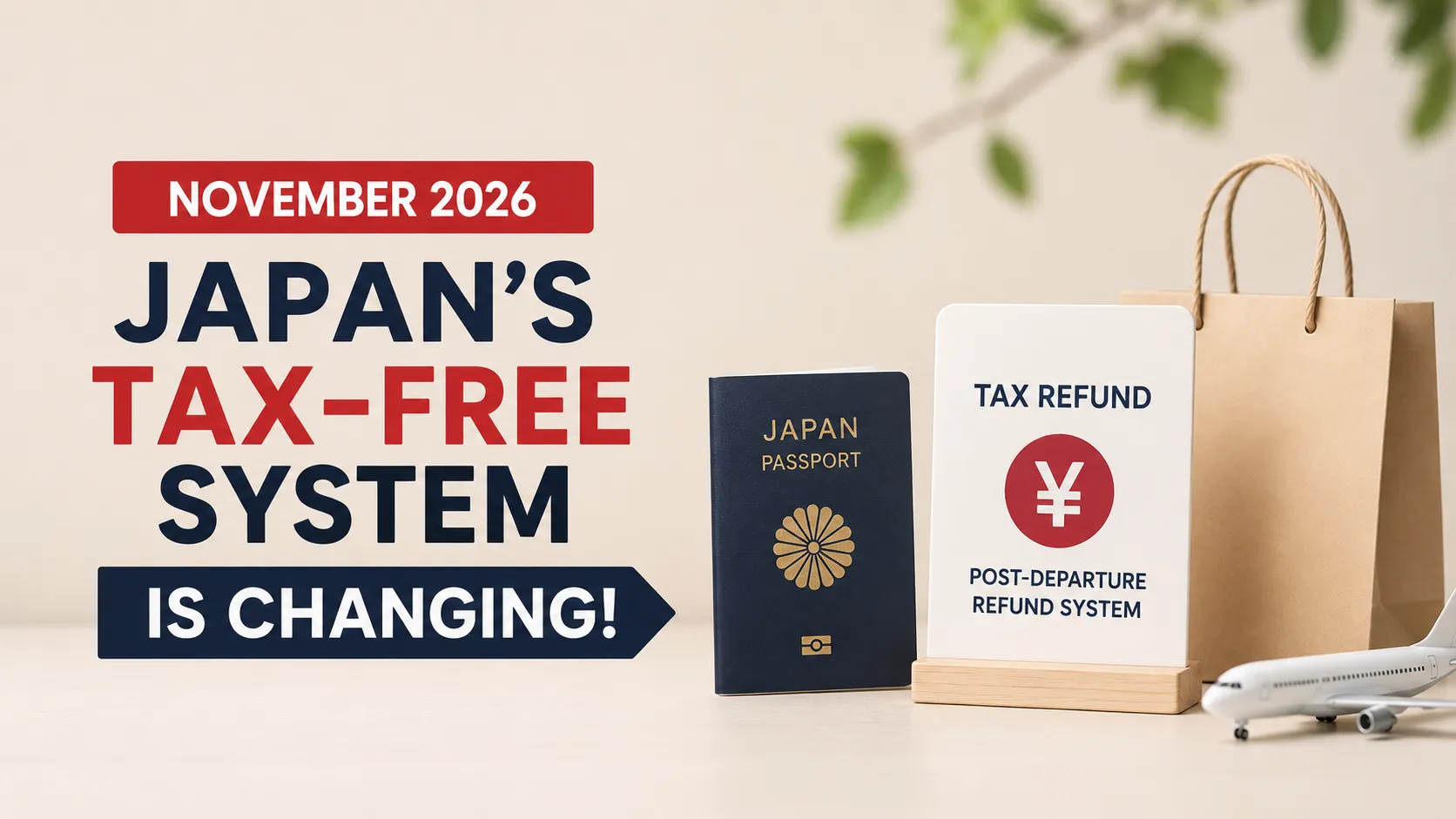
Starting in November 2026, Japan plans to replace its current instant tax-free system with a post-departure refund system. Instead of receiving the tax exemption at the time of purchase, travelers will pay the full tax-inclusive price and claim their refund when leaving Japan.
After reading through the details, I realized this is one of the biggest changes to Japan’s shopping experience in years.
How the Current System Works
Today, most travelers receive their tax savings immediately.
Whether you’re shopping at electronics stores, drugstores, department stores, or discount chains, the tax amount is usually deducted before payment.
In some department stores, you pay first and visit a dedicated tax-free counter for the refund. In other stores, the discount is applied directly at checkout.
The process is not perfect, but it is straightforward.
What Will Change in November?
Under the new system, all purchases will initially include Japan’s consumption tax.
Travelers will then receive the tax refund later, typically through refund kiosks at airports or ports before departure.
The purchase process itself will remain largely unchanged. The biggest difference is that travelers must pay the full amount upfront and wait until departure to recover the tax portion.
In many ways, this will resemble the tax refund systems already used in countries such as South Korea.
The Part I Won’t Miss
One thing that always annoyed me in Japan was waiting in line at dedicated tax-free counters.
This was especially common at large stores like Don Quijote.
Sometimes I would finish shopping quickly, only to spend another 15 to 20 minutes standing in line just to process the tax exemption.
There was also another habit I noticed in myself.
Because I was already close to the minimum tax-free purchase amount, I would sometimes add a few extra items to my basket simply to qualify for tax-free shopping.
Looking back, some of those purchases were things I didn’t really need.
If the new system removes some of that psychological pressure to “reach the tax-free threshold,” it may actually make shopping more rational for travelers like me.
For Casual Shoppers, the Impact May Be Small
Personally, I don’t buy huge amounts of products during most Japan trips.
I usually purchase a few souvenirs, some snacks, maybe a couple of household items, and occasionally clothing.
For travelers with similar shopping habits, I suspect the real-world impact will be fairly limited.
The inconvenience of claiming a refund at the airport may not feel dramatically different from today’s process.
The people most affected will probably be travelers making large purchases such as luxury goods, electronics, cosmetics, or bulk shopping trips.
What I Will Miss
Not every part of the current system is bad.
One example that immediately came to mind was clothing shopping.
I occasionally buy items from Danton when visiting Japan. Being able to receive the tax exemption immediately at a city store always felt satisfying because the final price was clear from the beginning.
Under the new rules, I’ll still receive the refund eventually, but it won’t feel quite the same as walking out of the store knowing the tax has already been deducted.
That small convenience is something I will definitely miss.
Will Airport Crowds Become a Problem?
The Japanese government says purchase information will be automatically linked to its tax-free sales management system.
In theory, travelers will only need to scan their passports at refund kiosks to retrieve their purchase records and process refunds.
That sounds efficient on paper.
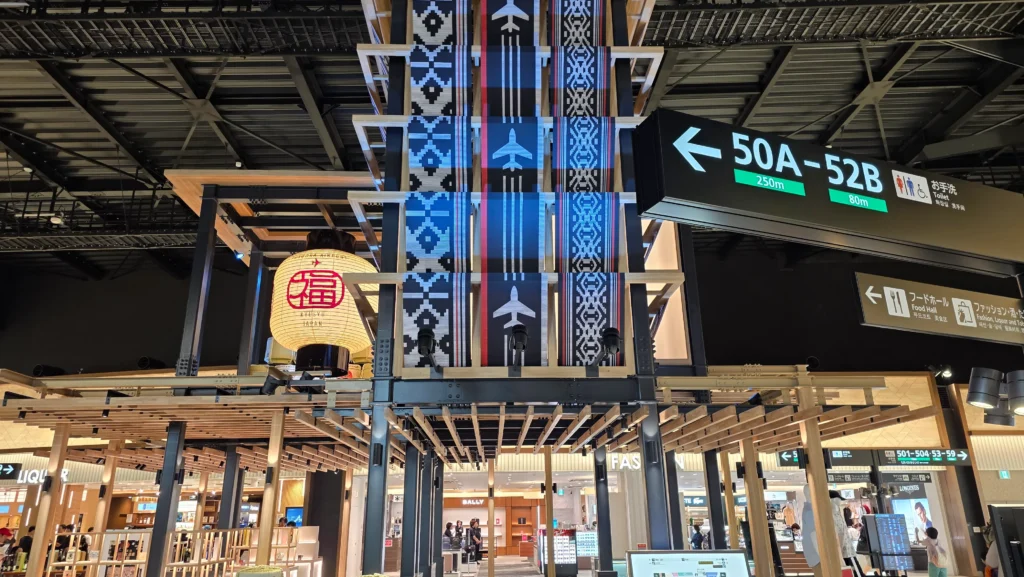
However, Japan continues to welcome record numbers of international visitors, and I can’t help wondering whether airports will experience longer queues during busy travel seasons.
The first few months after implementation will probably be the real test.
Some Rules Are Actually Becoming Simpler
There are also positive changes.
The distinction between consumable goods and general merchandise is expected to disappear.
Current spending limits on consumable products will be removed, and special sealed packaging requirements are expected to be abolished as well.
For many travelers, these changes may actually make tax-free shopping easier to understand than before.
Could This Change My Shopping Habits?
Possibly.
If I am already going to complete the refund process at the airport before departure, I can imagine myself spending more time browsing airport duty-free shops than I do today.
In the past, most of my shopping happened in city stores because I could enjoy the tax savings immediately.
After November, the gap between downtown shopping and airport shopping may feel smaller.
It will be interesting to see whether other travelers develop similar habits.
Final Thoughts
When I first heard about Japan’s tax-free reform, my initial reaction was negative.
Why change a system that many travelers already understand?
But after looking at the details, I can see both sides.
The Japanese government wants to reduce abuse of the tax-free program and prevent tax-free goods from being resold domestically. From a policy perspective, that makes sense.
As a traveler, I expect a little more inconvenience at the airport, but I also appreciate the removal of some complicated shopping rules.
For someone like me who doesn’t do massive shopping trips, the overall impact will probably be manageable.
Still, if you’re planning a Japan trip after November, it may be worth arriving at the airport a bit earlier than usual—at least until everyone becomes familiar with the new refund process.